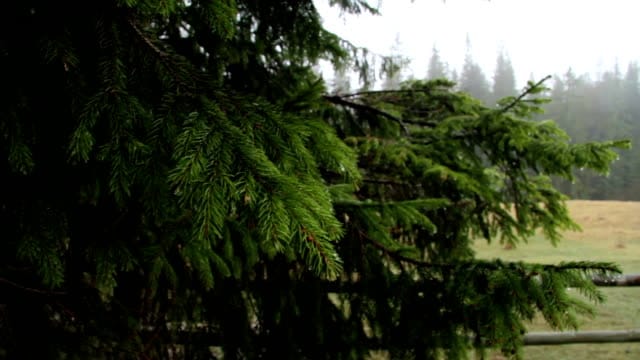
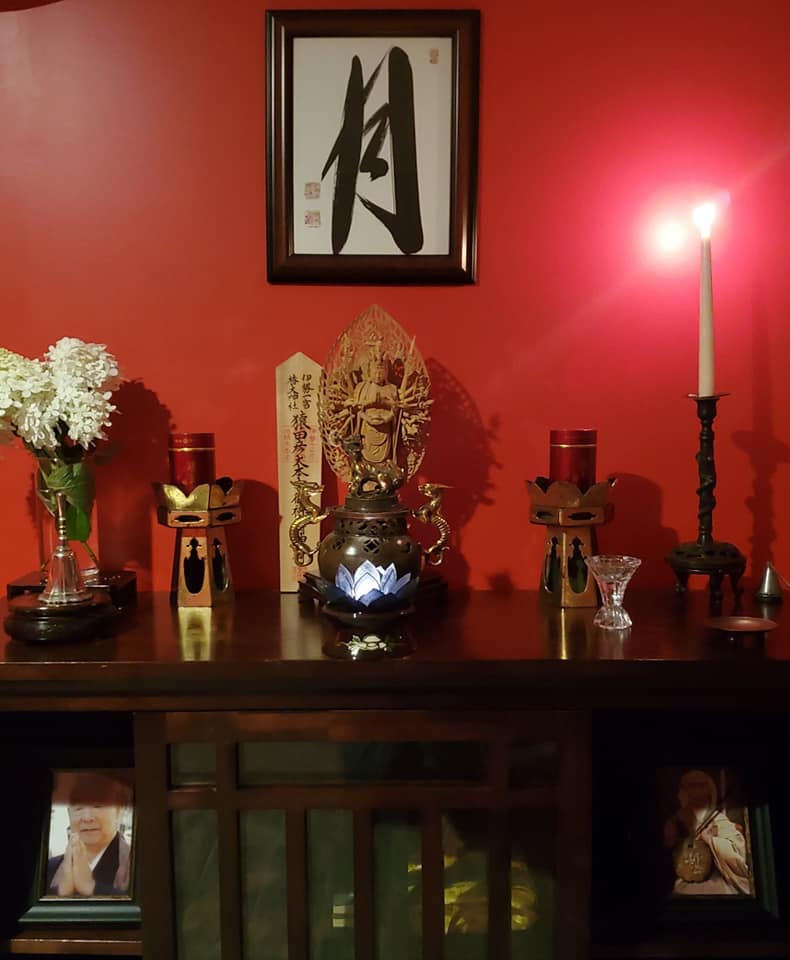
When I first started to chant the “Great Vows” I was concerned that I didn’t know exactly what I was chanting. Moreover, the chants were in another language. I spent a lot of time researching various translations and attempting to chant it in English to “understand” it better. “It surely would be better if it was done in English”, I thought to myself. Why then are we chanting in Japanese? This line of questioning would carry over to all the other chants, a preoccupation with conceptual understanding. Understanding has its importance but, is there more to it? There is something in Zen Practice I like to call the “living word”. The best way to convey its meaning is to point to the experience of the word(s) not just the conceptual understanding. This “Living word” is only realized amongst the swaying pines and the summer breeze. It is the Rosetta stone of the dregs of Zen. Not only Zen but, all awakened residual that was playful left by saint and sinner. These fragments hint yet remain closed off like an iron mountain. When we open heart and mind and step into the moment completely, we step though the conduit of the word. Stepping through, the living word becomes our own and we “…see with the same eye and hear with the same ear…” as our ancestors. The word dissolves and we completely feel and experience the source. We return home. Today when I chant the “Great Vows” there is no thought, no forced concentration but, a complete immersion into the limitless experience of the sound. There is no chant and there is no one chanting, there is just the experience of returning home amongst the swaying pines and summer breeze. The next time you chant or read, I invite you to let go of the word, open yourself completely and allow the gate to fall away as the living word washes over you.